


Think about the last time you ordered food, checked the weather, or drove to a new address. Chances are, you interacted with a technology so deeply embedded in our routines that we barely notice it's there: the Global Positioning System (GPS). What started as a military project has evolved into a global utility that silent powers much of our modern world.
The importance of GPS extends far beyond personal convenience. It is a critical component of the global economy, driving efficiency and innovation in nearly every sector imaginable. The process of using satellite data to determine a position and guide movement is what is gps navigation , and its applications are vast.
The importance of GPS extends far beyond the blue dot on a map. It's a foundational technology that enhances safety, drives economic efficiency, and adds a layer of convenience to millions of daily activities. This article explores why GPS has become an indispensable part of everyday life, from the simple act of finding a coffee shop to enabling complex global operations.
The Invisible Engine of Modern Convenience
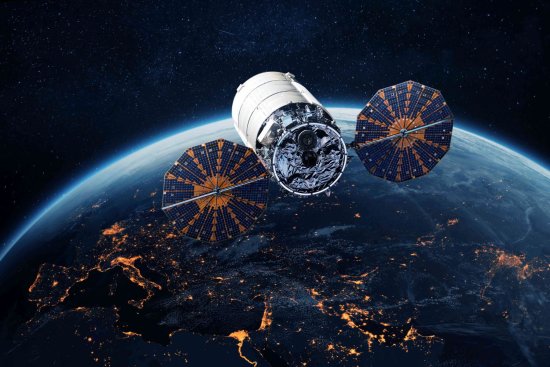
At its most basic level, GPS is a satellite-based system that provides precise location and time information anywhere on Earth. A network of satellites orbits the planet, broadcasting signals that are picked up by a receiver in your phone or car. This device then calculates its exact position by measuring the time it takes for signals from multiple satellites to arrive.
This constant stream of location data is the bedrock of our digital lives, making once-complicated tasks feel effortless.
Navigation and Travel
The most obvious impact of GPS is on navigation. It has made getting lost a ratio. Whether you're navigating a new city's public transit system or finding the quickest route to avoid a traffic jam, GPS-powered apps provide real-time guidance. This saves time, reduces fuel consumption, and lowers the stress associated with travel.
On-Demand Services
The entire "gig economy" is built on the back of GPS technology. Ride-sharing services like Uber and Lyft use it to connect drivers with passengers efficiently. Food delivery apps track your order from the restaurant to your doorstep, giving you an accurate arrival time. This location-based matching has created new industries and changed consumer expectations forever.
Social Connectivity and Safety
GPS also plays a key role in our social lives. We use it to "check in" at locations, find nearby friends, or share our live location with family during a late-night journey. For parents, it provides peace of mind through apps that track a child's location. In an emergency, your phone's ability to transmit its exact coordinates to first responders can be a literal lifesaver.
Logistics and Supply Chain
The world's supply chain runs on GPS. Every package you receive has likely been tracked at multiple points on its journey. Shipping companies monitor cargo vessels on the high seas, and trucking firms optimize routes for their fleets to ensure timely deliveries. This visibility reduces theft, minimizes delays, and keeps the engine of commerce running smoothly.
Agriculture
In a field known as "precision agriculture," farmers use GPS-guided tractors to plant seeds, spray fertilizer, and harvest crops with centimeter-level accuracy. This practice reduces waste, lowers costs, and increases yields, helping to feed a growing global population more sustainably. It allows farmers to treat every square foot of their land according to its specific needs.
Construction and Engineering
Building modern infrastructure requires absolute precision. Surveyors use high-precision GPS to map land and establish property boundaries. Heavy machinery is guided by satellites to grade land for roads or lay foundations for skyscrapers exactly according to digital blueprints. For massive and intricate projects, this technology is indispensable. For instance, the complex field of Airport engineering Qatar utilizes advanced GPS to ensure runways are perfectly aligned and leveled, a critical safety requirement for handling the world's largest passenger aircraft.
An Essential Tool for Science and Safety
Beyond commerce and convenience, GPS is an invaluable tool for scientists and public safety officials. It provides the data needed to understand our planet and protect its inhabitants.
Environmental Monitoring
Scientists use highly sensitive GPS receivers to monitor our dynamic planet. They track the slow drift of tectonic plates to better understand earthquake risks, measure the melt rate of glaciers and ice sheets, and monitor sea-level rise. This data is crucial for modeling climate change and its potential impacts. Wildlife biologists also use GPS collars to track animal migration patterns and protect endangered species.
Emergency Response
When disaster strikes, GPS is a cornerstone of the response effort. Search and rescue teams use it to coordinate their movements in chaotic environments. In the aftermath of an earthquake or hurricane, GPS helps damage assessment teams map affected areas and direct resources to where they are needed most. For hikers or boaters in distress, a simple GPS beacon can transmit their exact location to rescuers, turning a potentially fatal situation into a successful recovery.
Banking and Finance
Even the financial world depends on GPS. The system provides the official, incredibly precise time source used to timestamp financial transactions around the globe. This ensures that trades are recorded accurately and prevents fraud in high-frequency trading, where a difference of a few milliseconds matters.
Surgery
GPS is one of the most transformative technologies of our time. It has quietly integrated itself into the fabric of our daily routines and the infrastructure of our global economy. From helping you find your car in a crowded parking lot to enabling the safe landing of an aircraft, its applications are nearly limitless.
The next time you pull out your phone for directions or check the status of a delivery, take a moment to consider the incredible system working behind the scenes. That simple blue dot represents a powerful connection between you and a constellation of satellites, a connection that has made our world more efficient, safer, and easier to navigate than ever before.


 231 Nguyễn Văn Cừ, Phường Chợ Quán, TP. Hồ Chí Minh


