


The hotel industry has undergone a massive digital transformation over the past decade. Today's travelers expect instant booking, real-time availability, and seamless online payment options when reserving accommodation. For hotels in the USA and across the globe, having a modern digital booking system is no longer optional—it's essential for staying competitive.
This is where booking engine software becomes a critical technology for hotels of all sizes. From independent boutique hotels to large hospitality groups, a powerful booking engine helps automate reservations, increase direct bookings, and reduce reliance on third-party travel agencies.
In this complete 2026 guide, we'll explore how hotel booking engines work, the key features to look for, and how they integrate with tools like tour operator software and the best online booking system platforms used in the hospitality ecosystem.
What Is Booking Engine Software?
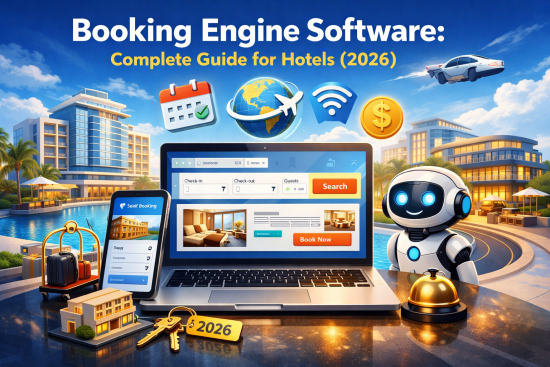
Booking engine software is a digital application that allows guests to check room availability and make reservations directly through a hotel's website or mobile platform.
Instead of calling the hotel or booking through an online travel agency (OTA), guests can:
Why Direct Booking Matters
Hotels increasingly focus on direct bookings because they help avoid high commission fees charged by OTAs such as Booking.com or Expedia.
Benefits of direct bookings include:
How Booking Engines Work in the Hotel Ecosystem
Modern booking engines function as the central reservation interface connected to several hospitality technologies.
Key Integrations
A typical hotel booking system connects with:
This integration allows hotels to create complete travel experiences instead of selling only rooms.
Key Features to Look for in a Hotel Booking Engine
Not all booking engines are created equal. The most effective systems offer powerful automation, flexibility, and a seamless user experience.
1. Real-Time Availability and Pricing
A modern booking engine should update room availability instantly across all platforms.
Real-time synchronization prevents:
2. Mobile Optimization
More than 60% of travel bookings now happen on mobile devices.
Your booking engine must provide:
3. Secure Online Payments
Security is a top concern for travelers entering payment information online.
Essential payment features include:
4. Multi-Language and Multi-Currency Support
For hotels targeting international travelers, global accessibility is essential.
A good booking engine should support:
5. Upselling and Cross-Selling Tools
Upselling features allow hotels to increase revenue by offering add-ons during the booking process.
Examples include:
This approach turns a simple room booking into a complete travel package.
Benefits of Using a Modern Hotel Booking Engine
Adopting a modern reservation system offers several advantages beyond just accepting online bookings.
1. Increased Direct Banking
Hotels can reduce OTA commissions and keep a larger portion of each booking.
Direct bookings often deliver:
Travelers expect fast and frictionless booking processes.
A well-designed system allows guests to:
3. Operational Efficiency
Automation significantly reduces manual tasks for hotel staff.
Key automated processes include:
4. Data-Driven Decision Making
Booking engines collect valuable data about customer behavior.
Hotels can analyze:
How Booking Engines Compare with OTAs
Online Travel Agencies are still an important distribution channel for hotels, but relying solely on them can reduce profitability.
OTA Advantages
This strategy balances visibility with profitability.
Choosing the Best Online Booking System for Your Hotel
Selecting the right system requires evaluating both technology and business needs.
Here are key factors to consider:
Ease of Integration
Your booking system should integrate smoothly with:
User Experience
The booking process should be intuitive and fast.
Look for:
Customization Options
Hotels should be able to customize their booking interface to match brand identity.
Customization may include:
Scalability
As your hotel grows, your booking system should scale with it.
For example, hotels that expand into travel experiences may require integration with best online booking system platforms capable of managing:
Future Trends in Hotel Booking Technology (2026 and Beyond)
The hospitality technology landscape continues to evolve rapidly. Several trends are shaping the future of hotel booking systems.
AI-Powered Personalization
Artificial intelligence is enabling personalized booking experiences.
AI tools we can recommend:
Voice and Conversational Booking
Voice assistants and chat-based booking interfaces are becoming more common.
Travelers can now:
Integrated Travel Experiences
Hotels increasingly partner with local operators to offer complete travel packages.
Integrated platforms combining hotel reservations with tour operator software allows guests to book accommodations, tours, and activities in one transaction.
This approach enhances guest convenience while increasing hotel revenue.
Final Thoughts
As the hospitality industry becomes more digital, hotels must prioritize efficient and user-friendly booking technology. A modern booking engine enables hotels to increase direct bookings, improve guest satisfaction, and streamline operations.
For hotels in the USA and worldwide, investing in the best online booking system is no longer just a technological upgrade—it's a strategic decision that directly impacts profitability and long-term growth.
Ready to Upgrade Your Hotel's Booking System?
If you want to increase direct bookings, reduce OTA commissions, and deliver a seamless reservation experience for your guests, now is the time to implement a powerful booking solution.
Explore advanced booking technology that integrates with property management tools, marketing platforms, and best online booking system solutions designed for modern hotels.
Contact us today to connect with our hospitality technology experts and discover the right solution for your hotel, and start transforming your online booking experience.
This is where booking engine software becomes a critical technology for hotels of all sizes. From independent boutique hotels to large hospitality groups, a powerful booking engine helps automate reservations, increase direct bookings, and reduce reliance on third-party travel agencies.
In this complete 2026 guide, we'll explore how hotel booking engines work, the key features to look for, and how they integrate with tools like tour operator software and the best online booking system platforms used in the hospitality ecosystem.
What Is Booking Engine Software?
Booking engine software is a digital application that allows guests to check room availability and make reservations directly through a hotel's website or mobile platform.
Instead of calling the hotel or booking through an online travel agency (OTA), guests can:
- Browse available rooms
- Compare prices and packages
- Select dates and preferences
- Complete secure online payments
- Receive instant booking confirmations
Why Direct Booking Matters
Hotels increasingly focus on direct bookings because they help avoid high commission fees charged by OTAs such as Booking.com or Expedia.
Benefits of direct bookings include:
- file location
- Better control over guest relationships
- Access to customer data for marketing
- Ability to offer exclusive deals and loyalty programs
How Booking Engines Work in the Hotel Ecosystem
Modern booking engines function as the central reservation interface connected to several hospitality technologies.
Key Integrations
A typical hotel booking system connects with:
- Property Management System (PMS) – manages room inventory and guest records
- Channel Manager – updates availability across OTAs and booking platforms
- Payment Gateway – processes secure online payments
- Revenue Management System – adjusts room pricing dynamically
- CRM & marketing tools – stores customer data for targeted campaigns
This integration allows hotels to create complete travel experiences instead of selling only rooms.
Key Features to Look for in a Hotel Booking Engine
Not all booking engines are created equal. The most effective systems offer powerful automation, flexibility, and a seamless user experience.
1. Real-Time Availability and Pricing
A modern booking engine should update room availability instantly across all platforms.
Real-time synchronization prevents:
- Overbooking
- evening inconsistencies
- Manual inventory management
2. Mobile Optimization
More than 60% of travel bookings now happen on mobile devices.
Your booking engine must provide:
- Fast mobile loading speeds
- Responsive design
- Simple checkout process
3. Secure Online Payments
Security is a top concern for travelers entering payment information online.
Essential payment features include:
- PCI-compliant transactions
- Multiple payment options (credit card, digital wallets, etc.)
- Automated invoices and confirmations
- Fraud protection tools
4. Multi-Language and Multi-Currency Support
For hotels targeting international travelers, global accessibility is essential.
A good booking engine should support:
- Multiple languages
- Automatic currency conversion
- Local payment methods
- Regional tax settings
5. Upselling and Cross-Selling Tools
Upselling features allow hotels to increase revenue by offering add-ons during the booking process.
Examples include:
- Room upgrades
- Airport
- Spa providers
- Meal plans
- Guided tours
This approach turns a simple room booking into a complete travel package.
Benefits of Using a Modern Hotel Booking Engine
Adopting a modern reservation system offers several advantages beyond just accepting online bookings.
1. Increased Direct Banking
Hotels can reduce OTA commissions and keep a larger portion of each booking.
Direct bookings often deliver:
- liver
- More flexible pricing strategies
- Better promotional opportunities
Travelers expect fast and frictionless booking processes.
A well-designed system allows guests to:
- Book in minutes
- Access instant confirmations
- Modify reservations easily
3. Operational Efficiency
Automation significantly reduces manual tasks for hotel staff.
Key automated processes include:
- Reservation confirmations
- Availability updates
- many processing
- Cancellation handling
4. Data-Driven Decision Making
Booking engines collect valuable data about customer behavior.
Hotels can analyze:
- Booking Stars
- Peak travel periods
- stranded kids
- Over performance
How Booking Engines Compare with OTAs
Online Travel Agencies are still an important distribution channel for hotels, but relying solely on them can reduce profitability.
OTA Advantages
- Massive global visibility
- Established customer trust
- Marketing reach
- High commission fees (often 15–25%)
- Limited customer relationship control
- Pricing restrictions in some cases
This strategy balances visibility with profitability.
Choosing the Best Online Booking System for Your Hotel
Selecting the right system requires evaluating both technology and business needs.
Here are key factors to consider:
Ease of Integration
Your booking system should integrate smoothly with:
- PMS
- Channel managers
- payment gateways
- CRM platforms
User Experience
The booking process should be intuitive and fast.
Look for:
- Minimal booking steps
- Clear room descriptions
- High-quality images
- Commercial packaging
Customization Options
Hotels should be able to customize their booking interface to match brand identity.
Customization may include:
- Custom booking widgets
- Personalized offers
- branded emails and confirmations
Scalability
As your hotel grows, your booking system should scale with it.
For example, hotels that expand into travel experiences may require integration with best online booking system platforms capable of managing:
- students
- transportation
- group waiting
- bundled travel packages
Future Trends in Hotel Booking Technology (2026 and Beyond)
The hospitality technology landscape continues to evolve rapidly. Several trends are shaping the future of hotel booking systems.
AI-Powered Personalization
Artificial intelligence is enabling personalized booking experiences.
AI tools we can recommend:
- room types
- special packages
- seasonal promotions
- local experiences
Voice and Conversational Booking
Voice assistants and chat-based booking interfaces are becoming more common.
Travelers can now:
- Search hotels via Voice
- Ask questions about amenities.
- complete reservations through chatbots
Integrated Travel Experiences
Hotels increasingly partner with local operators to offer complete travel packages.
Integrated platforms combining hotel reservations with tour operator software allows guests to book accommodations, tours, and activities in one transaction.
This approach enhances guest convenience while increasing hotel revenue.
Final Thoughts
As the hospitality industry becomes more digital, hotels must prioritize efficient and user-friendly booking technology. A modern booking engine enables hotels to increase direct bookings, improve guest satisfaction, and streamline operations.
For hotels in the USA and worldwide, investing in the best online booking system is no longer just a technological upgrade—it's a strategic decision that directly impacts profitability and long-term growth.
Ready to Upgrade Your Hotel's Booking System?
If you want to increase direct bookings, reduce OTA commissions, and deliver a seamless reservation experience for your guests, now is the time to implement a powerful booking solution.
Explore advanced booking technology that integrates with property management tools, marketing platforms, and best online booking system solutions designed for modern hotels.
Contact us today to connect with our hospitality technology experts and discover the right solution for your hotel, and start transforming your online booking experience.
Đính kèm
-
- File size
- 2.4 MB
- Download
- 0


 231 Nguyễn Văn Cừ, Phường Chợ Quán, TP. Hồ Chí Minh


